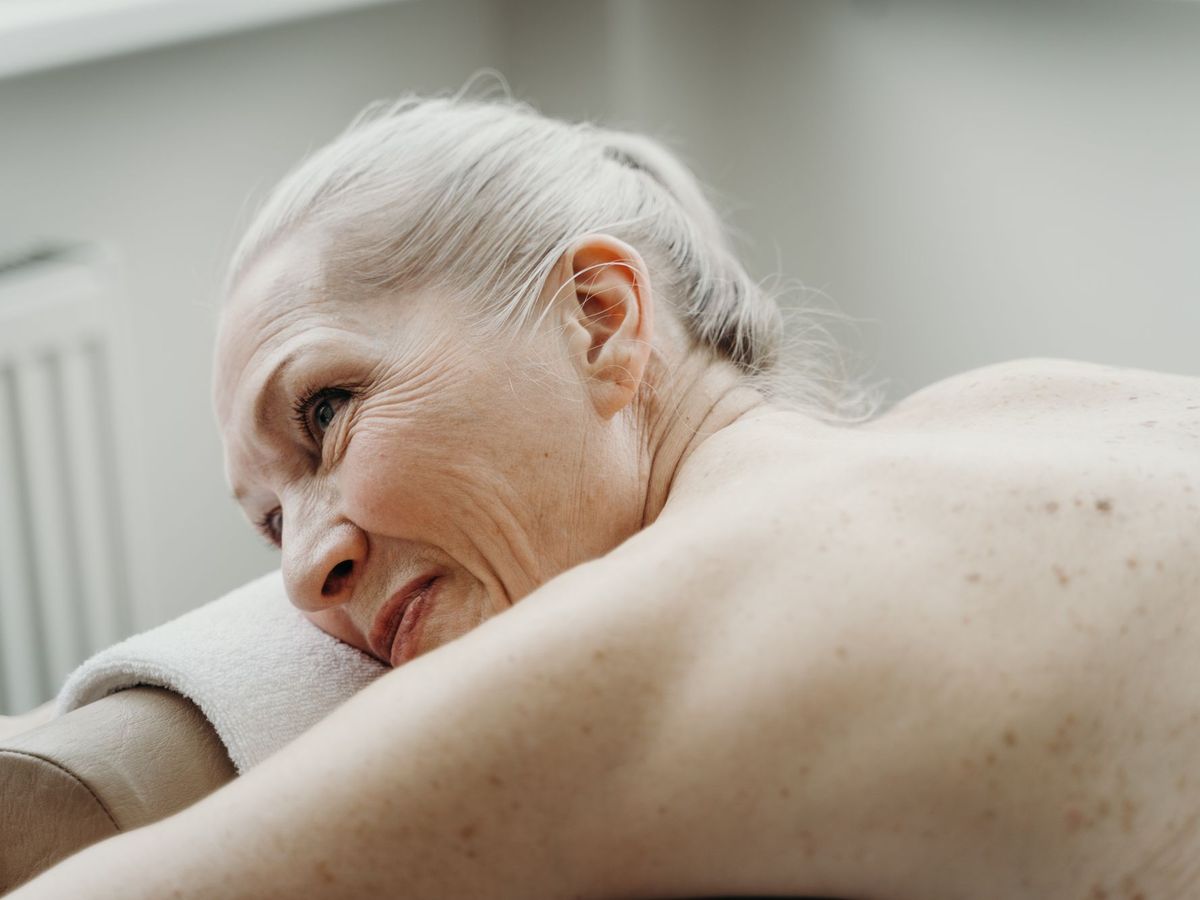
PRP for the face

PRP for the face

From 1,500 kr

Plasma from your own blood is injected for fresher, firmer skin.

Duration
1 hr
Downtime
Usually 1–2 days of redness and swelling

Choose your treatment alternative

Tap an alternative to see more and book it.

PRPFrom 1,500 kr4 options
PRP 2.5 ml with polynucleotides (PN)Plasma together with polynucleotides, small DNA fragments that support the skin's repair.4,500 kr
PRP under the eyesFor dark circles, fine lines and thin skin under the eyes.2,500 kr
PRP subcision with mesotherapyScar tissue is released under sunken scars, and the skin gets mesotherapy in the same visit.7,500 kr
PRP subcisionThe scar tissue that pulls the skin down under a sunken scar is released with a needle or blunt cannula.9,000 kr

Add-ons

You add them to your treatment when you book.

  • Numbing cream+45 min+230 kr
  • Local anaesthetic injections+15 min+450 kr
  • Numbing cream and injections+60 min+990 kr

About the treatment

Benefits

  • Uses your own blood
  • Skin on the face, under the eyes and on the neck
  • Supports the body's own repair
  • Short downtime

Expected results

The skin or hair improves gradually over three months. The result varies from person to person and often lasts 6–12 months.

Overview & Procedure

What the treatment is and how it's performed

What it is

PRP stands for platelet-rich plasma. A small blood sample is taken from your arm, and the blood is spun in a centrifuge so the plasma with platelets separates. The platelets contain growth factors the body uses in its own repair. The plasma is placed back into the skin of the face, under the eyes or on the neck, with injections or together with microneedling. PRF is a version made without additives that has a slightly firmer texture.

  • Skin and face: usually three treatments four to six weeks apart.
  • Maintenance every four to six months.

  1. The practitioner goes through your health and what you want to treat.
  2. A small blood sample is taken from your arm.
  3. The blood is spun in a closed, sterile system.
  4. The area is cleaned, and numbing cream can be applied.
  5. The plasma is placed with small injections or with microneedling.

  • Drink plenty of water the day before and on the day.
  • Eat a normal meal before the appointment.
  • Avoid alcohol for the last day, and anti-inflammatory painkillers for the last few days if your doctor allows it.

Experience & Recovery

Pain level, downtime and healing

With numbing cream, most people rate the discomfort 2–4 out of 10. The blood sample feels like an ordinary prick.

  • Common: redness, swelling, tenderness and small bruises.
  • Uncommon: a bruise where the blood sample was taken.
  • Rare: infection. An allergic reaction is very rare, because the plasma comes from you.

  • Wait until the next day before wearing make-up or washing your hair.
  • Avoid hard exercise, saunas, hot baths and alcohol for the first day.
  • Use a high-factor sunscreen after treatment of the face.

Usually 1–2 days of redness and swelling. Small bruises can last a few days. Under the eyes, the swelling can last a little longer.

Expectations & Safety

Who it's for and safety information

  • The effect varies from person to person, because it depends on your own platelets.
  • The result comes gradually over several months and needs a series.
  • Treatment of joints and other medical purposes must be assessed by a doctor.

  • Skin that needs better quality, glow and firmness.
  • Fine lines and thin skin under the eyes.
  • Thinning hair and early hair loss.
  • Scars and uneven skin texture, together with microneedling.

  • Anyone who wants volume or lift. Filler or other treatments may suit better.
  • Anyone who wants a result after a single treatment.

The result builds up over three months and often lasts 6–12 months. Many people have a maintenance treatment once or twice a year.

  • Pregnancy and breastfeeding.
  • A low platelet count or a platelet disorder.
  • Blood cancer or other active cancer.
  • Infection or inflammation in the area.
  • Blood-thinning medicines. Tell the clinic, but do not stop taking them without agreeing this with your doctor.

Contact the clinic if pain, swelling or redness increases after two days, or if you get a fever or pus.